

How VARNIKA 2.0 Turned BGSCET MBA Students into Real-World Managers
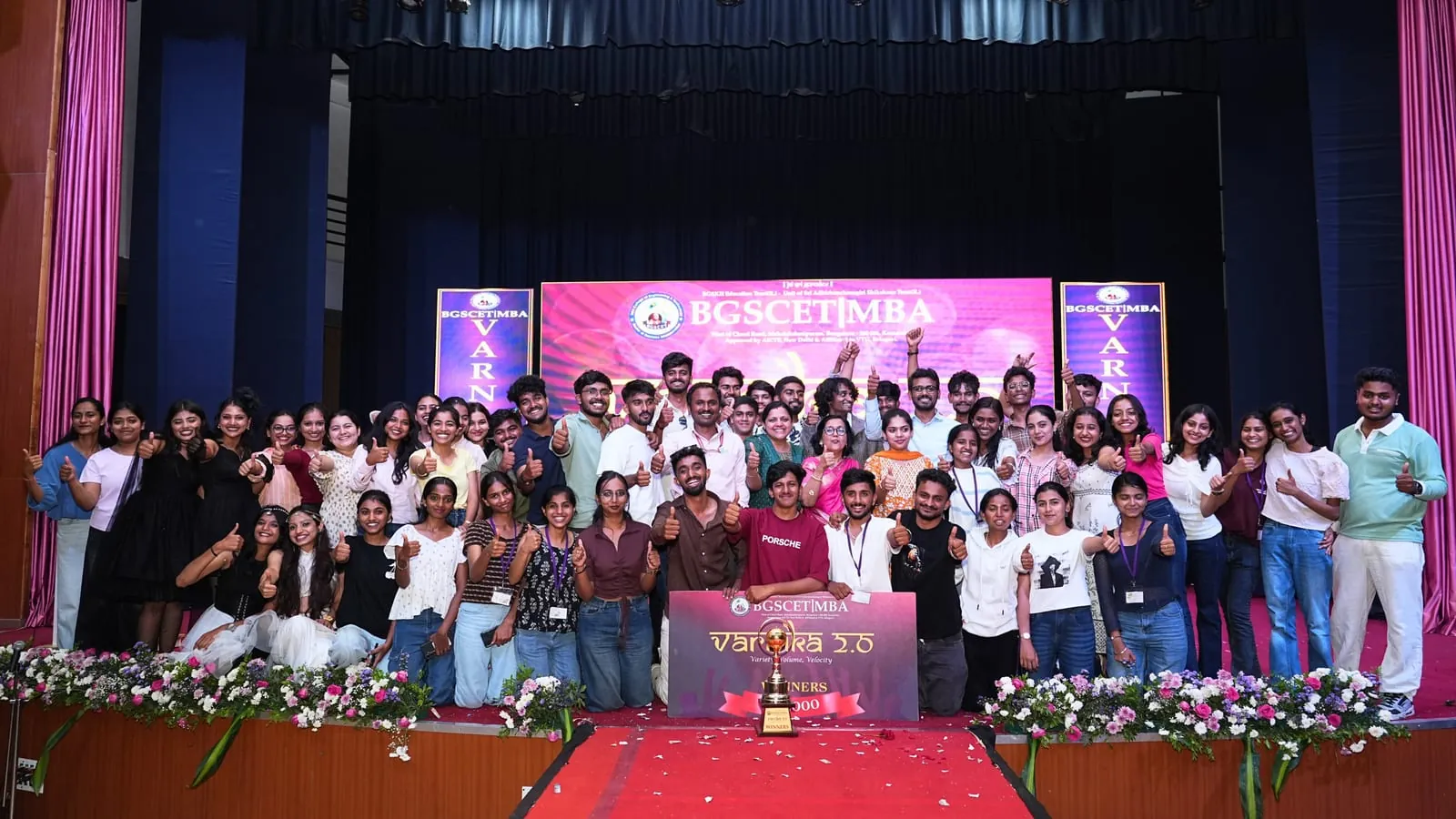
Inside the experiential-learning power of a student-led management fest — where coordination, analytics, and execution under pressure replace theory with hands-on practice.
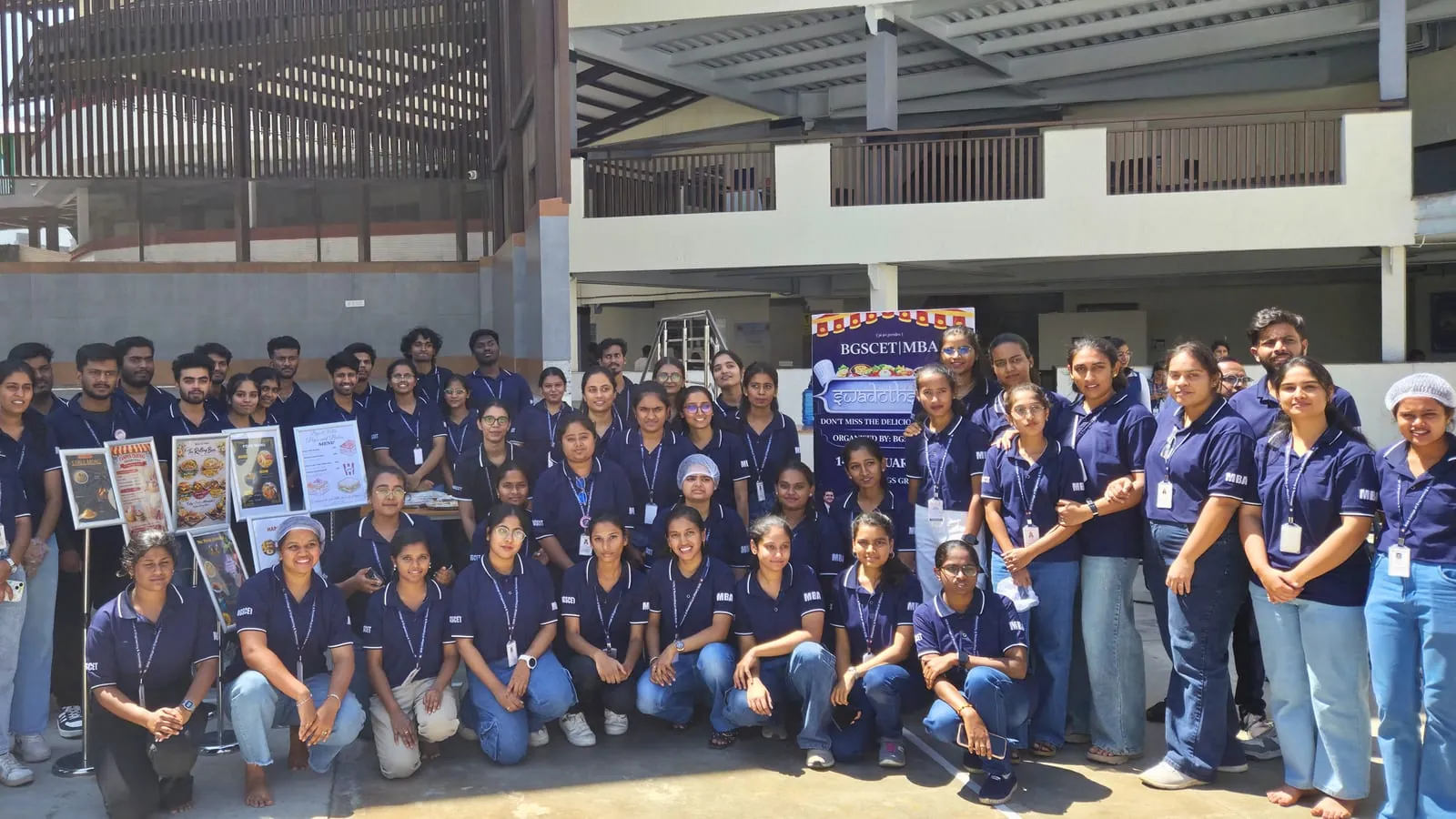
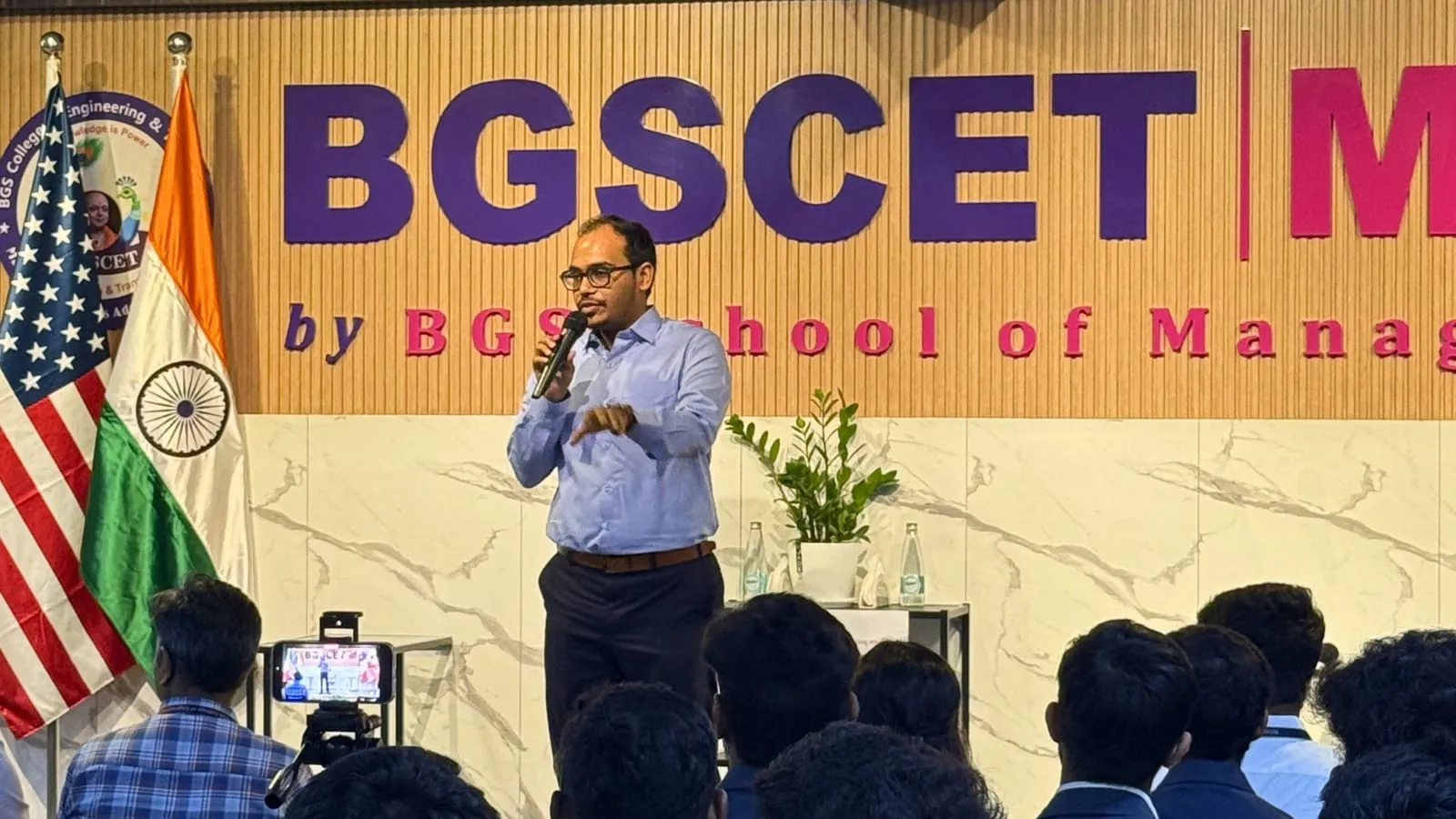
Management education is often measured by the strength of its classroom instruction, but some of the most transformative learning happens far outside the lecture hall — in the chaos, coordination, and creative problem-solving demanded by live events. This is exactly the kind of experience BGSCET MBA students gained through their involvement in VARNIKA 2.0, a flagship management fest that served as a powerful platform for experiential learning and the practical application of core business concepts in a dynamic, real-world setting.
For MBA aspirants and current students alike, VARNIKA 2.0 offers a compelling case study in why student-led management fests have become an essential component of industry-relevant business education in Bangalore — and why the skills developed through such events often prove just as valuable as those learned in the classroom.
Why Management Fests Matter in MBA Education
Across top MBA colleges in Bangalore, the inclusion of large-scale, student-organized events is increasingly recognized as a critical pedagogical tool. Unlike structured coursework, these events demand real-time decision-making, cross-functional coordination, and the ability to manage ambiguity — all under genuine time pressure and stakeholder expectations. VARNIKA 2.0 exemplified this model, enhancing key professional competencies including teamwork, coordination, decision-making, and execution under pressure, all of which are foundational to effective management practice.
For students, this kind of experiential exposure offers a rare opportunity to test classroom concepts such as resource allocation, stakeholder management, and operational planning in a live environment, where the consequences of decisions are immediate and visible.
Lessons in First Impressions and Structured Coordination
One of the key roles undertaken during VARNIKA 2.0 involved serving on the Registration Committee, where responsibilities included welcoming participants, managing registrations for the Analytics Arena, and guiding attendees through the event. While seemingly administrative, this role carried significant strategic weight — it underscored the importance of first impressions, effective communication, and structured coordination in setting the tone for an entire event.
In a business context, this experience mirrors the customer-facing functions every organization depends on, where first interactions often determine the overall perception of quality and professionalism. For MBA students specializing in marketing, operations, or customer experience management, this hands-on exposure to front-line coordination offers practical insight that complements theoretical coursework on service design and customer journey mapping.
Crowd Management and the Discipline of Teamwork
A second area of contribution came through the Discipline and Escort Committee, which involved managing crowd flow and ensuring seamless coordination among participants throughout the event. This responsibility demanded patience, situational awareness, and strong interpersonal skills — qualities that are often underemphasized in traditional management curricula but are indispensable in real-world operational roles.
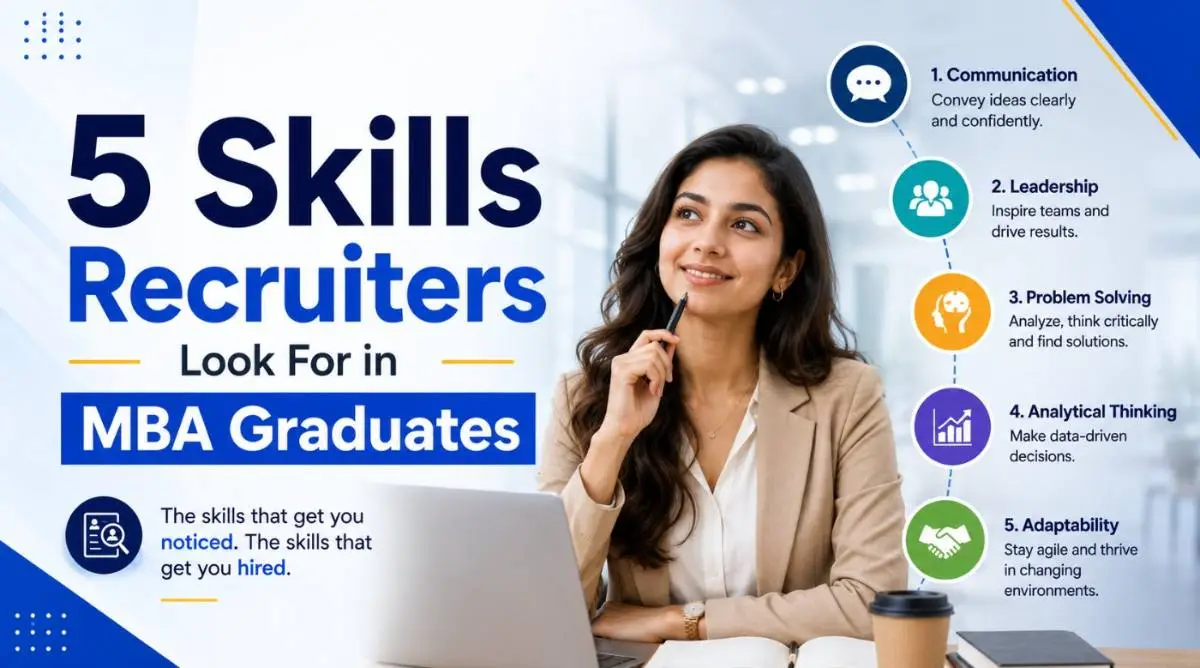
Working within this committee reinforced the value of teamwork and the ability to respond efficiently within a fast-paced, unpredictable environment — a dynamic that closely parallels the operational challenges faced by managers across industries such as retail, hospitality, logistics, and event management. These are precisely the kinds of soft skills that recruiters consistently rank among the top differentiators for MBA graduates entering competitive job markets.
Driving Innovation as an Analytics Club Coordinator
Perhaps the most intellectually rewarding contribution came through the role of Analytics Club Coordinator, which combined technical execution with strategic event management. As part of a collaborative effort, the team developed and deployed a live Streamlit interface, made accessible in real time using NGROK — a technical achievement that demonstrates the growing intersection of data analytics, technology deployment, and business management within modern MBA programs.
Theoretical knowledge alone is insufficient preparation for the complexities of real-world business — true competence is built through practical exposure.
Beyond the technical build, this role required managing event operations and coordinating participants, while also observing diverse problem-solving approaches across teams. This exposure to varied analytical thinking and practical application offered insights that extend well beyond a single event, reinforcing the value of cross-disciplinary learning in business analytics, technology integration, and applied data science — all increasingly critical skill sets for MBA graduates competing in a data-driven corporate landscape.
Building Professional Networks Through Collaboration
Equally important to the technical and operational learnings was the relational dimension of the experience. Working alongside co-coordinators, engaging with judges, and receiving mentorship from faculty advisors highlighted the collaborative ecosystem that underpins successful large-scale events. These relationships often extend beyond the event itself, forming the foundation of professional networks that prove valuable throughout an MBA journey and into early career stages.
This collaborative culture reflects a broader institutional philosophy at BGSCET MBA — one that views management education not merely as an academic exercise, but as an ecosystem of mentorship, peer learning, and real-world application designed to produce confident, capable, and industry-ready professionals.
Why This Matters for Prospective MBA Students in Bangalore
For students evaluating MBA colleges in Bangalore, the presence of robust, student-led events like VARNIKA 2.0 should be viewed as a meaningful indicator of an institute's commitment to experiential learning. Such platforms offer something that traditional coursework alone cannot: the opportunity to lead, fail, adapt, and succeed in a live, consequence-driven environment.
This is particularly relevant for students interested in operations, analytics, marketing, or general management, all of whom benefit from event-based learning that mirrors the cross-functional collaboration required in real corporate settings. Institutes that actively invest in such experiential platforms are, in effect, building a pipeline of graduates who are better prepared to navigate ambiguity, manage stakeholders, and execute under pressure — qualities that distinguish top performers in any industry.
Conclusion: Where Management Theory Meets Real-World Practice
VARNIKA 2.0 reinforced a fundamental truth about modern management education: theoretical knowledge alone is insufficient preparation for the complexities of real-world business. True competence is built through practical exposure — through the messy, high-pressure, collaborative reality of organizing and executing a large-scale event.
From front-line coordination and crowd management to technical analytics deployment, this experience equipped BGSCET MBA students with a multidimensional skill set that extends far beyond any single classroom session. As Bangalore continues to establish itself as a leading hub for industry-integrated management education, experiential platforms like VARNIKA 2.0 stand as a testament to why institutes that prioritize hands-on learning consistently produce the most well-rounded, corporate-ready MBA graduates.